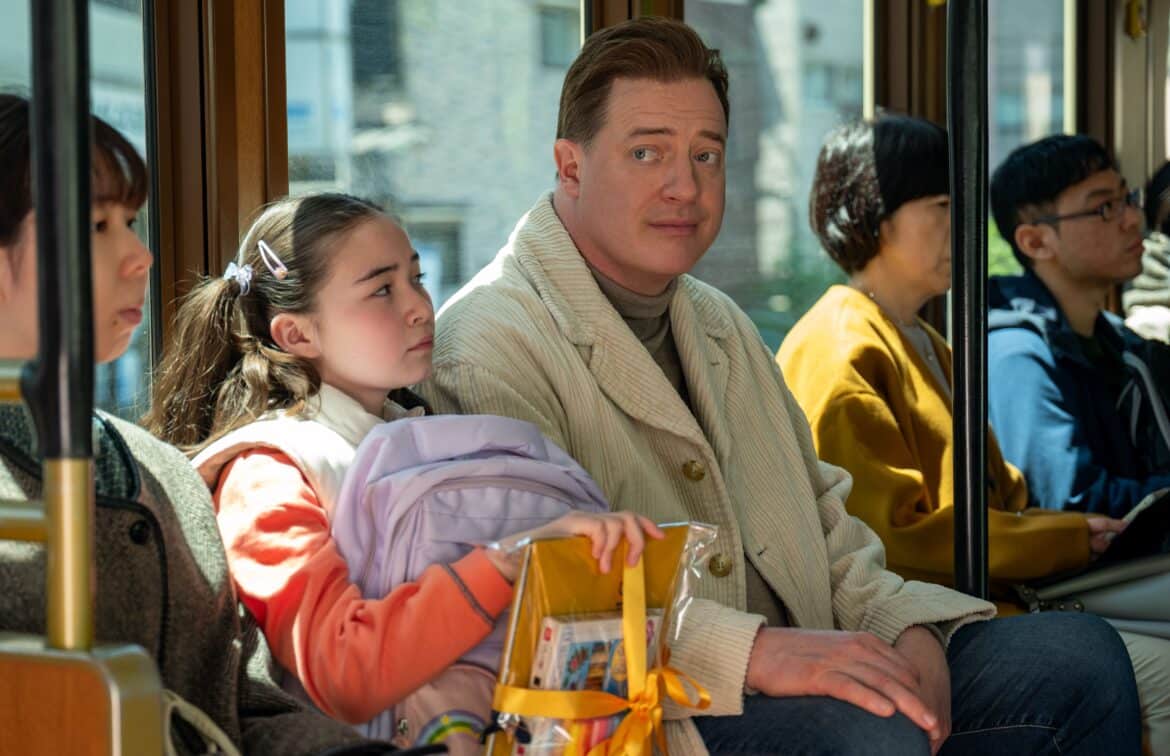

A little over 20 years ago, Lost in Translation arrived, telling the story of an aging celebrity adrift in Japan, lost in loneliness, culture shock, and his own thoughts. Critics lauded it, and for some, it has become a touchstone for films about isolation abroad. Yet, for this critic, it has always felt hollow—shortchanging not only the country in which it is set but also the profound human experience of seeking connection in the midst of isolation.
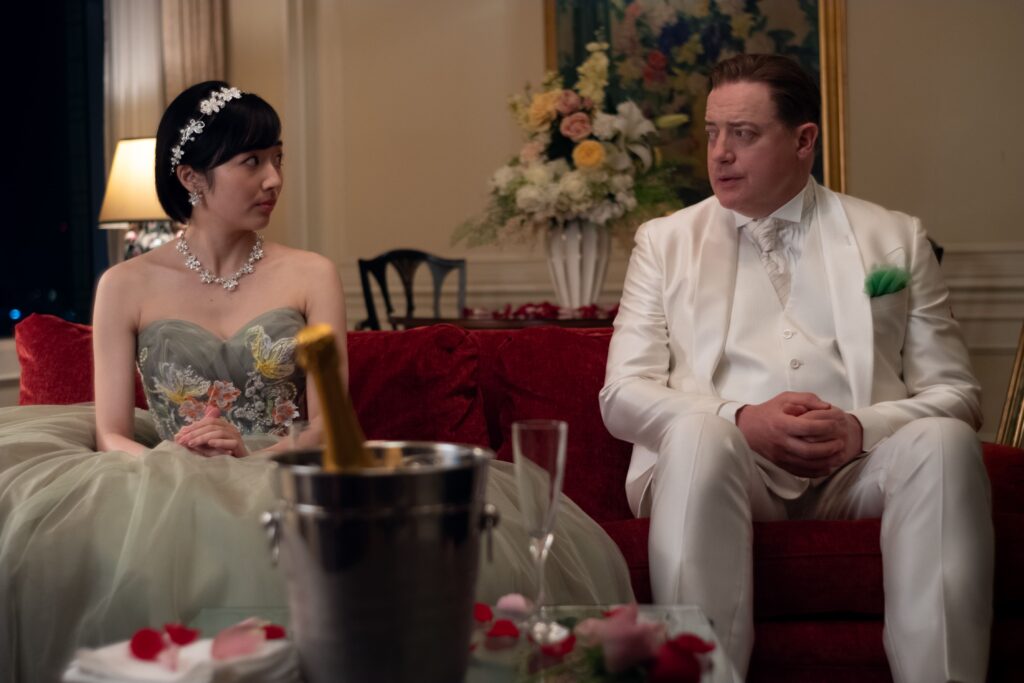
Misato Morita and Brendan Fraser in Rental Family (Photo Credit: James Lisle/Searchlight Pictures) © 2025 Searchlight Pictures. All Rights Reserved.
Enter Rental Family, starring Brendan Fraser as Phillip Vandarploeug, an aging American actor scraping by in Japan after the brief success of a popular Japanese commercial seven years prior. He finds work with a company called “Rental Family,” which provides actors to fill roles in people’s lives—father, friend, journalist, husband, and more. Through this concept, director Hikari delivers what Lost in Translation, to me at least, never achieved: a nuanced exploration not just of Japanese culture and its people, but of the ways we try to find connection—and the ways that loneliness and human longing shape those attempts.
If you watch the trailer for Rental Family, you might expect a light, feel-good story in which Fraser’s presence magically fixes lives. (In this critic’s mind, more Brendan Fraser is never a bad thing.) But the film is far more layered. Hikari’s narrative insists that connection is never that simple. Relationships can be rented, but ultimately, they must be returned—and the cost of letting go is never neat or painless. Fraser, alongside his Rental Family compatriots played by Takehiro Hira, Mari Yamamoto, and Kimora Bun, portrays this complexity with subtlety and depth, revealing the emotional stakes behind each interaction.
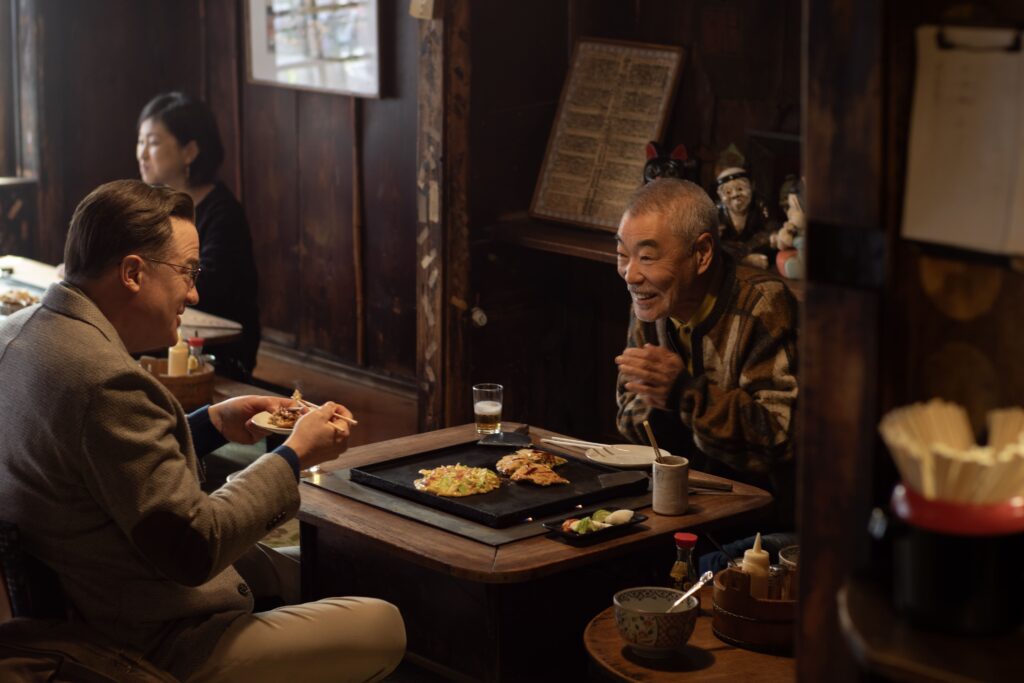
Brendan Fraser and Akira Emoto in Rental Family (Photo Credit: James Lisle/Searchlight Pictures) © 2025 Searchlight Pictures. All Rights Reserved.
Though Phillip wears many masks—husband, spouse, father, friend, funeral attendee—his journey is best seen through two key relationships. First, he is hired as a journalist to interview an aging Japanese director, played brilliantly by Akira Emoto, who clings to his legacy while struggling with memory. Second, a young mother, played by Shino Shinozaki, hires Phillip to pose as her husband and her daughter’s father, helping secure the child’s future through school placement. Through these attachments, Phillip discovers that removing the mask of the actor each night is increasingly difficult, as he carries the feelings and memories of each job home with him. It is in this conflict—between the roles we play and the connections we form—that Fraser truly shines, delivering a career-defining performance. While his co-workers often treat the job without question, Phillip wrestles with its moral and emotional complexities, giving Fraser the space to showcase remarkable range.
The film also explores the world of Phillip’s colleagues, showing how, influenced by his presence and impulsive nature, they begin to confront their own struggles with attachment and detachment. Takehiro, the founder of Rental Family, initially brushes off Phillip’s moral concerns, but as the story unfolds, we see the complexities of his character take shape. Likewise, Yamamoto, a dedicated professional who initially scolds Phillip for his mistakes, demonstrates profound growth as the pressures of Japanese society—particularly for women—shape her arc.
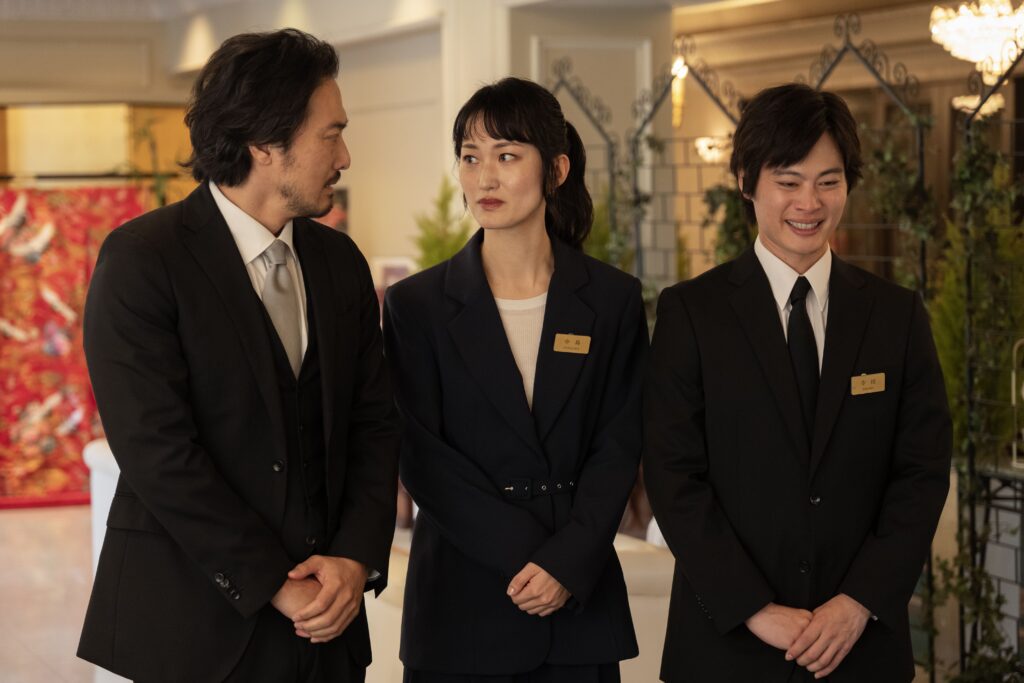
Takehiro Hira, Mari Yamamoto, and Bun Kimura in Rental Family (Photo Credit: James Lisle/Searchlight Pictures) © 2025 Searchlight Pictures. All Rights Reserved.
As excellent as Fraser, Takehiro, and Yamamoto are, perhaps the most remarkable performance comes from Shannon Mahina Gorman as Mia, the young girl whose mother hopes to shape her future through the perfect school. With significant screen time, Gorman delivers a naturalistic, compelling portrayal of adolescence, forming a heartfelt bond with Fraser’s Phillip. Together, they become the emotional center of the film, illuminating its exploration of connection, impermanence, and care.
Through all of these relationships, Rental Family proves to be more than a story about Japan, acting, or loneliness—it’s about the delicate, imperfect ways we seek connection, and how those connections leave lasting marks, even when temporary. In every sense, it achieves what Lost in Translation could only hint at. The film leaves the audience with profound questions: are we not all playing roles in our lives to pursue happiness, finding solace wherever we can? For some, it’s family; for others, friends—or fleeting connections. Rental Family turns this universal truth into a tangible, affecting story that lingers long after the theater lights go down.
(Photo Credit: James Lisle/Searchlight Pictures) © 2025 Searchlight Pictures. All Rights Reserved.